

TL;DR:
- Local coupon marketing effectively increases sales, customer engagement, and email subscriptions.
- Digital coupons on mobile and multi-channel campaigns outperform traditional methods.
- Strategic planning and data tracking are essential for successful, long-term coupon campaigns.
You want more customers walking through your door, or you want to stretch your dining budget further without sacrificing quality. Either way, local coupon marketing is one of the most reliable tools available in 2026. 91% of Americans use coupons, and 74% reach for digital versions regularly. That number tells a clear story: people are actively searching for deals, and businesses that show up with the right offer at the right time win. This guide walks you through everything, from picking the best coupon types to measuring real results, so you can save smarter or grow faster.
Table of Contents
- Why local coupon marketing works
- Choosing the right coupon types and platforms
- Setting up and running a local coupon campaign
- Measuring results and optimizing your strategy
- An insider's perspective on local coupon marketing
- Where to find the best local coupons and marketing tools
- Frequently asked questions
Key Takeaways
| Point | Details |
|---|---|
| Digital coupons dominate | Most coupon redemptions happen via mobile, making digital distribution essential for local deals. |
| Choose mix of coupon types | Combining percentage, BOGO, and threshold offers creates wider appeal and repeat business. |
| Track, test, adjust | Consistent measurement and optimization turn average campaigns into powerful growth tools. |
| Balance value with profit | Protect margins by setting smart requirements and mixing discounts with loyalty rewards. |
Why local coupon marketing works
Local coupon marketing isn't just about slashing prices. It's a targeted strategy that connects the right offer to the right person at the right moment. When done well, it drives foot traffic, builds email lists, and turns first-time visitors into regulars.
The data backs this up. Coupons drive a 35% increase in weekday sales and a 50% increase in email list signups for local cafes. Those aren't small gains. A single well-timed offer can fill seats on a slow Tuesday and add hundreds of subscribers to a marketing list in one week.
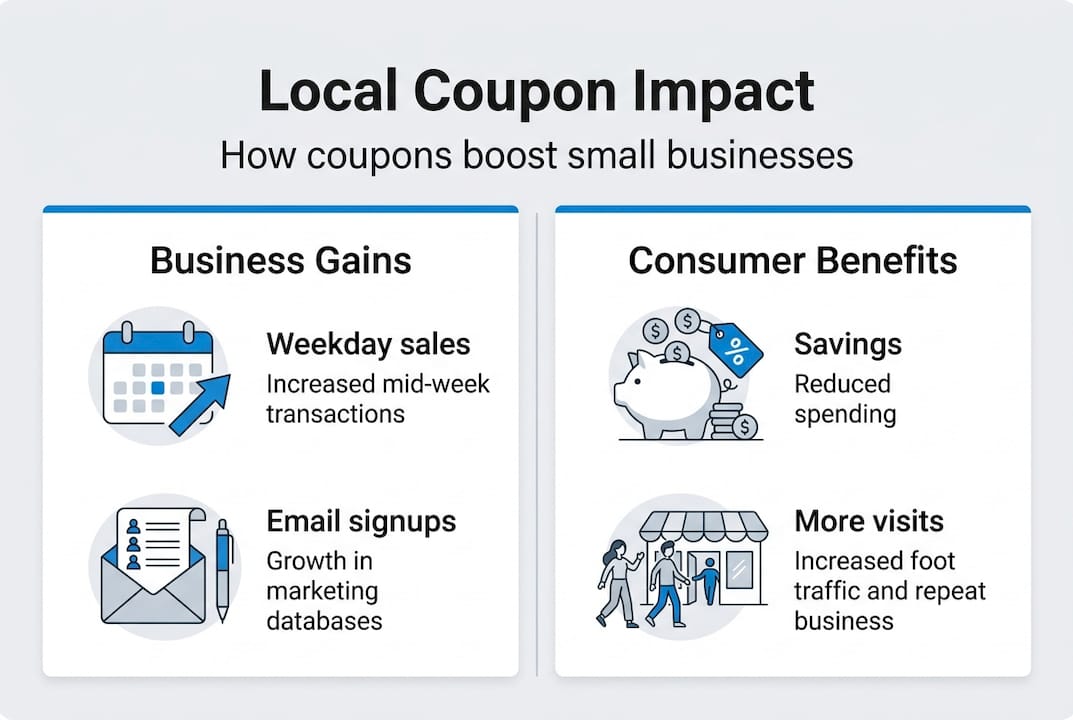
For consumers, the appeal is obvious. Prices keep rising, and every dollar saved on a meal or local service adds up fast. But the behavior goes deeper than just saving money. People enjoy the feeling of getting a deal. It creates a positive association with the business, making them more likely to return even at full price.
Here's a quick look at what local coupon campaigns typically deliver:
| Metric | Typical impact |
|---|---|
| Weekday sales lift | Up to 35% |
| Email list growth | Up to 50% |
| Mobile redemption rate | 70% of all redemptions |
| Loyalty member spending | 20% more per visit |
For businesses, proven coupon strategies create compounding benefits. A customer who redeems a coupon once and has a great experience is far more likely to return without needing another discount. That's the real long-term win.
Key reasons local coupon marketing works so well:
- Consumers are already looking. 91% of Americans use coupons, and 70% of redemptions happen on mobile devices.
- Digital beats paper. Digital coupons are easier to share, track, and personalize than printed flyers.
- Urgency drives action. Limited-time offers push people to act now instead of later.
- Loyalty amplifies results. Loyalty members spend 20% more per visit than non-members.
The shift to mobile redemption is especially important. If your coupon strategy doesn't work on a smartphone, you're leaving the majority of potential redemptions on the table.
Choosing the right coupon types and platforms
Not all coupons perform equally. The type you choose and where you distribute it can make the difference between a campaign that breaks even and one that drives serious growth.
The four main coupon types each serve a different purpose:
- Percentage off (e.g., 20% off your order): Works well for new customer acquisition and broad awareness campaigns.
- Dollar discount (e.g., $5 off a $25 purchase): Sets a clear minimum spend and protects margins better than open-ended percentage deals.
- Buy one get one (BOGO): Drives volume and works especially well for food and beverage businesses with low ingredient costs.
- Free item with purchase: Creates excitement and encourages customers to try new menu items or services.
Here's how the main distribution platforms compare:
| Platform | Best for | Redemption speed | Cost |
|---|---|---|---|
| Repeat customers | Medium | Low | |
| SMS | Urgent, time-sensitive offers | Fast | Low to medium |
| Social media | Awareness and sharing | Medium | Variable |
| Dedicated apps | Loyal, deal-seeking audiences | Fast | Medium |
| In-store signage | Walk-in traffic | Immediate | Low |
Digital coupons increase digital restaurant sales by 15%, reduce cart abandonment by 20%, and lift average order value by 50%. Those numbers make a strong case for going digital first.
When it comes to restaurant coupon types, the best performers combine a compelling offer with a clear minimum spend. This protects your profitability while still giving customers a reason to act.
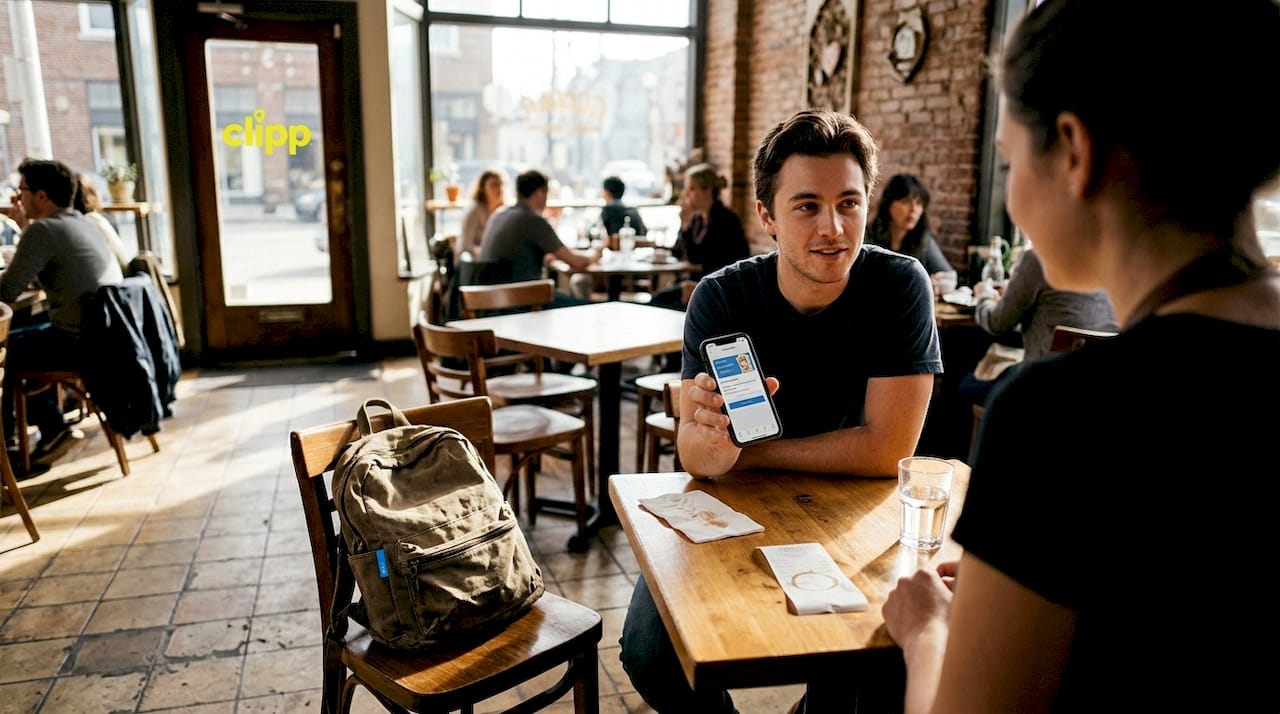
Pro Tip: Bundle your discount with a high-margin item. For example, offer 20% off when a customer adds a dessert or specialty drink. You protect your margins while increasing the average ticket size. For more best-value coupon tips, look at what your top-selling items are and build offers around them.
Multi-channel campaigns consistently outperform single-channel ones. Sending the same offer via email, SMS, and social media at once increases both awareness and redemption rates significantly.
Setting up and running a local coupon campaign
A coupon campaign without a plan is just a discount. Here's how to build one that actually moves the needle.
Step-by-step campaign setup:
- Define your goal. Are you trying to attract new customers, increase weekday traffic, or grow your email list? Your goal shapes every other decision.
- Segment your audience. New visitors need acquisition offers. Existing customers respond better to loyalty rewards. Segmenting audiences and using A/B testing are proven best practices that separate effective campaigns from forgettable ones.
- Design your offer. Keep it simple and easy to understand. A confusing coupon gets ignored.
- Choose your channels. Match your distribution method to your audience. Younger customers respond to SMS and social media. Older regulars often prefer email.
- Set an expiration date. Urgency is a powerful motivator. A two-week window performs better than an open-ended offer.
- Distribute and promote. Push the offer across all chosen channels on the same day for maximum impact.
- Track results. Monitor redemption rates, new sign-ups, and sales lift in real time.
"The best coupon campaigns feel personal, not promotional. When a customer feels like an offer was made just for them, redemption rates climb and loyalty follows."
For consumers, knowing how to get restaurant coupons efficiently means subscribing to email lists, following local businesses on social media, and using coupon platforms that aggregate the best local offers in one place.
Pro Tip: Add a QR code to every printed or in-store coupon. QR codes connect offline customers to digital tracking, giving you redemption data you can actually use to improve future campaigns.
Avoid the common trap of over-discounting. If every visit requires a coupon, customers stop seeing your regular prices as fair. Rotate offers, mix discount types, and keep some promotions exclusive to loyalty members only.
Measuring results and optimizing your strategy
Running a campaign is only half the work. Measuring it honestly is where most businesses and deal-seekers find room to improve.
Track ROI with redemption rates, average order value, repeat visits, and overall campaign lift. These four metrics give you a complete picture of whether your coupon strategy is building real business or just training customers to wait for discounts.
Here's a breakdown of the key metrics and what they tell you:
| Metric | What it measures | Why it matters |
|---|---|---|
| Redemption rate | % of coupons used | Shows offer appeal and distribution reach |
| Average order value | Spend per transaction | Reveals if bundling is working |
| New vs. repeat customers | Customer mix | Shows acquisition vs. retention balance |
| Email list growth | Subscriber count | Measures long-term marketing asset growth |
| Campaign lift | Sales change vs. baseline | Proves overall business impact |
Common mistakes that kill coupon campaigns:
- Over-discounting. Overuse can reduce long-term value; loyalty tiers and non-discount rewards help retain full-price buyers.
- Ignoring the data. If you're not tracking redemption rates, you're flying blind.
- Never refreshing offers. Stale promotions lose urgency and get ignored.
- Skipping coupon expiration insights. Expiration dates create urgency, but setting them too short frustrates customers.
For consumers, the same principles apply. Track which platforms give you the best deals, subscribe to the right lists, and check dining coupon examples to see how families are maximizing savings on everyday meals.
The businesses that win long-term are the ones that use coupon data to build smarter loyalty programs, not just run more discounts. Exclusivity and personalization are the upgrade path from basic coupon marketing to genuine customer retention.
An insider's perspective on local coupon marketing
Here's something most coupon marketing guides won't tell you: the biggest risk isn't running a bad campaign. It's running too many good ones.
When discounts become the norm, customers stop valuing your regular prices. They wait. They only visit during promotions. That pattern quietly erodes the brand equity you worked hard to build. The fix isn't to stop using coupons. It's to use them with intention.
The most effective local businesses we've seen treat coupons as an entry point, not a permanent feature. They use acquisition offers to bring new customers in, then shift to loyalty rewards and personalized experiences to keep them. Coupon tips that maximize value always circle back to this: the goal is a relationship, not a transaction.
Authenticity matters more than most marketers admit. A coupon that feels personal and relevant gets redeemed. A generic blast that goes to everyone feels like noise. Smart targeting, even on a small budget, consistently outperforms broad discounting.
Where to find the best local coupons and marketing tools
Whether you're a deal seeker or a local business owner, the right platform makes all the difference. Clipp connects consumers with verified, current offers from restaurants and local services in their area, so you're never hunting through expired deals or unreliable sources.
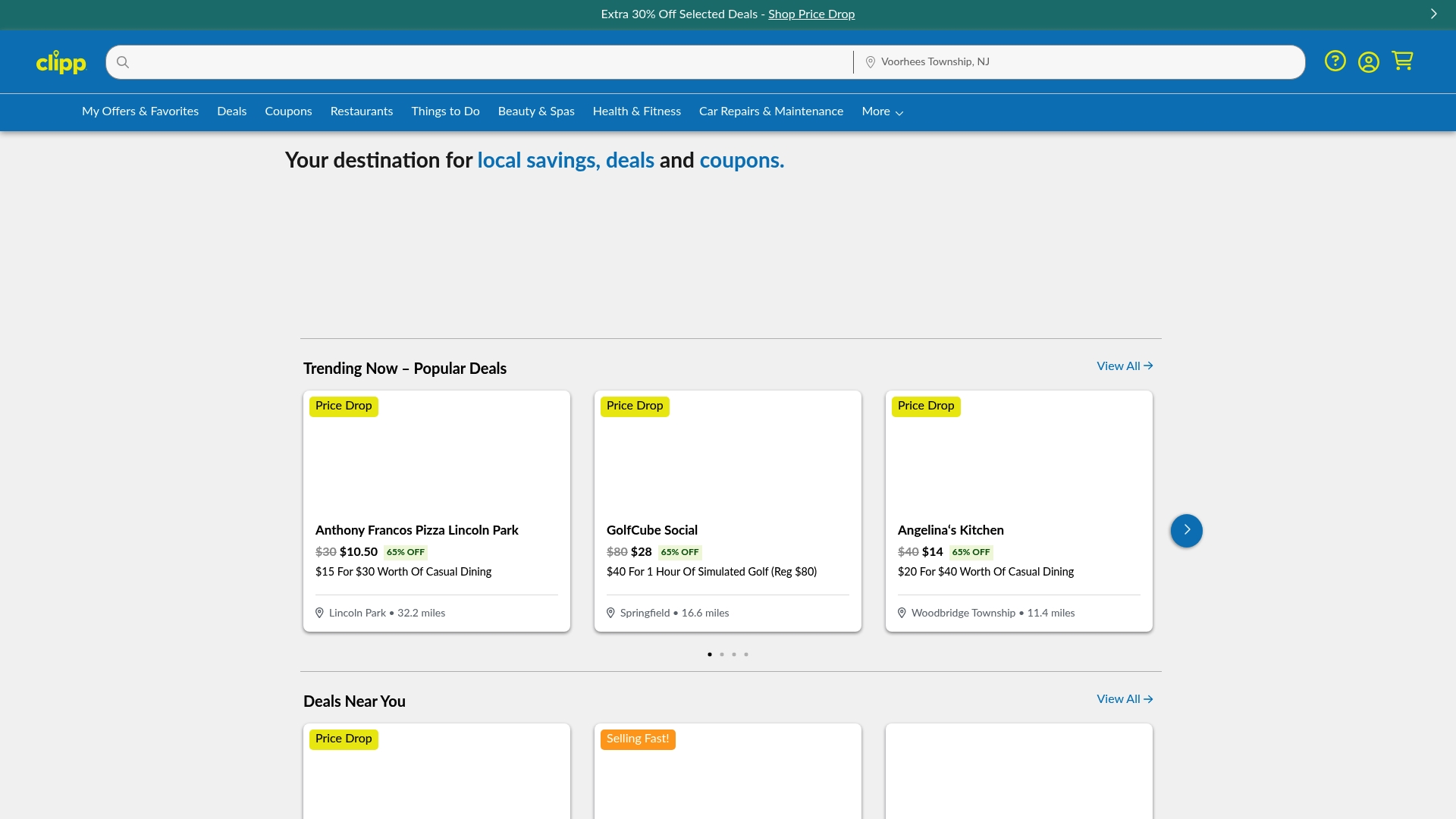
For shoppers, browsing top local coupons takes seconds, and you can filter by category or location to find exactly what you need. Check out local deals in Ashburn to see what's trending near you right now. For business owners ready to reach more customers, advertising your business on Clipp puts your offers in front of an audience that's already looking to spend locally. It's one of the simplest ways to turn a well-crafted coupon into measurable foot traffic.
Frequently asked questions
What are the most effective coupon types for local businesses?
Percentage-off, spend-threshold, and BOGO coupons are top performers, especially when distributed digitally via email or mobile apps where redemption is fast and trackable.
How do I avoid losing money with coupons as a small business owner?
Set a minimum spend requirement, bundle discounts with high-margin items, and rotate offers regularly so customers don't come to expect a discount on every visit.
How can consumers find the most current local deals?
Use dedicated local coupon sites and apps, follow businesses on social media, and subscribe to email lists. Multi-channel digital distribution via local sites, apps, and email consistently surfaces the freshest offers.
How do I measure if my coupon campaign is working?
Track redemption rates, order values, repeat purchase rates, and overall lift in traffic or sales to get a clear, honest picture of campaign performance.