

TL;DR:
- Last-minute coupons offer deep discounts and are designed for immediate use, often expiring within hours or days.
- They benefit consumers by enabling spontaneous, budget-friendly outings and help businesses fill idle capacity quickly.
- Success relies on understanding restrictions, preparing in advance, and acting fast to secure the best deals.
Most people assume the best local deals go to those who plan ahead, clipping coupons weeks in advance and scheduling dinners around promotions. That assumption is wrong. Last-minute coupons, offered by platforms like Groupon and Restaurant.com for immediate use, flip that logic entirely. They reward spontaneity, not preparation. Whether you want to grab a discounted dinner tonight or book a spa session this afternoon, last-minute coupons hand serious savings to anyone who acts fast. This article breaks down exactly how they work, which platforms deliver the best value, what pitfalls to dodge, and how to squeeze every dollar out of these time-sensitive offers.
Table of Contents
- What is a last-minute coupon?
- How last-minute coupons work: Mechanics and platforms
- Benefits of using last-minute coupons
- Key risks, restrictions, and how to avoid frustration
- The overlooked truth about last-minute coupons
- Find last-minute deals near you with Clipp
- Frequently asked questions
Key Takeaways
| Point | Details |
|---|---|
| Instant local savings | Last-minute coupons let you save big on dining or entertainment right when you need them. |
| Easy digital redemption | You can buy and use these deals directly from your phone or computer—no wait required. |
| Check restrictions | Always review minimum spend and usage limits before buying to avoid headaches. |
| Top platforms matter | Stick with trusted sources like Groupon, Restaurant.com, or Clipp for reliable deals. |
What is a last-minute coupon?
Not all coupons are created equal. A standard coupon might sit in your email inbox for three weeks, waiting for the right moment. A last-minute coupon doesn't give you that luxury, and that's precisely the point.
Time-sensitive discounts for immediate use are designed to move fast. Restaurants, spas, gyms, and entertainment venues all carry a perishable resource: time. An empty table at 7 p.m. on a Tuesday generates zero revenue once that hour passes. Last-minute coupons exist to convert that empty slot into a paying customer, even at a steep discount.
Here's what separates them from regular coupons:
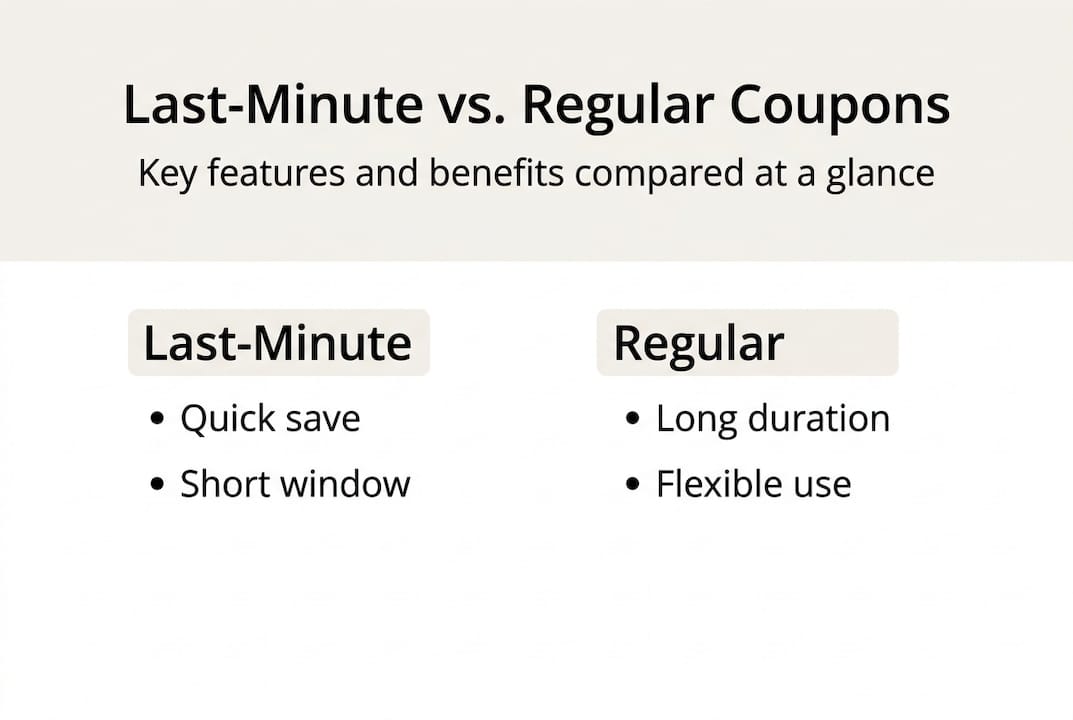
- Regular coupons are planned promotions with extended redemption windows, often weeks or months.
- Last-minute coupons typically expire within hours or days, demanding immediate action.
- Regular coupons are often distributed through mailers, loyalty programs, or brand websites.
- Last-minute coupons are pushed via app notifications, flash sales, and real-time listings.
- Regular coupons offer modest discounts, usually 10 to 20 percent off.
- Last-minute coupons can slash prices by 50 to 90 percent, particularly for perishable experiences.
The urgency factor is intentional. Scarcity drives high conversion for perishable experiences because consumers feel the window closing. That psychological pressure, which marketers call urgency bias, turns casual browsers into immediate buyers.
"A last-minute coupon isn't a consolation prize. It's a business tool that benefits both sides of the transaction, the merchant clears inventory, and the consumer gets a deal they'd never find otherwise."
If you're new to this approach, learning about using coupon platforms can help you understand the broader ecosystem. And if you want to explore the full range of available savings, reviewing types of local deals gives you a strong starting point.
How last-minute coupons work: Mechanics and platforms
Knowing what last-minute coupons are is one thing. Knowing how to actually use them is where savings become real. The process is straightforward, but a few details can make or break your experience.
Here's how a typical last-minute coupon redemption unfolds:
- Browse available offers on a platform like Groupon, Restaurant.com, or Clipp, filtering by your location and category.
- Purchase your chosen coupon at the discounted rate directly through the app or website.
- Note the requirements carefully, including minimum spend thresholds, participating locations, and expiration time.
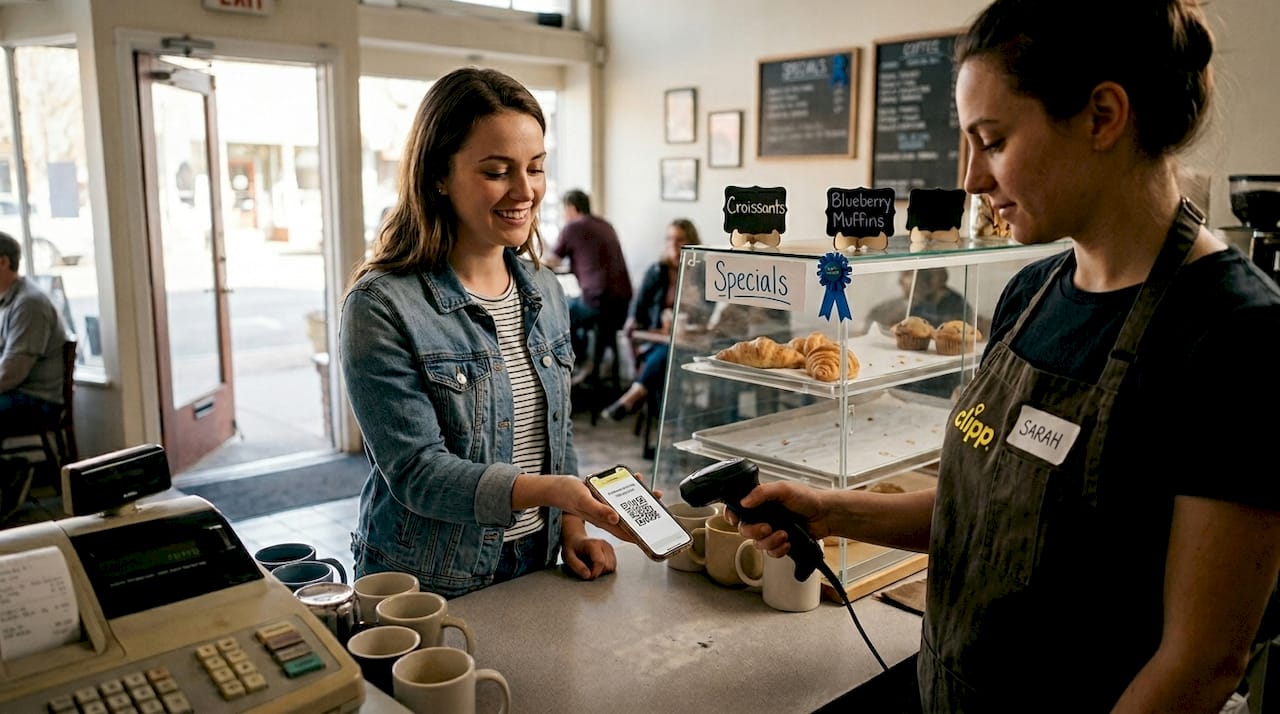
- Show the code on your phone at the business or print it if required, and apply it to your qualifying purchase.
- Pay any remaining balance if your total exceeds the coupon's covered amount.
Users purchase discounted vouchers, select businesses, and redeem with minimum spend thresholds that vary by offer. On Restaurant.com, for example, discounts reach 80 to 90 percent on certificate value, though a minimum spend of roughly 1.5 times the certificate amount is typical.
Here's a quick comparison to keep in mind:
| Feature | Last-minute coupon | Regular coupon |
|---|---|---|
| Redemption window | Hours to days | Weeks to months |
| Typical discount | 50 to 90 percent | 10 to 25 percent |
| Distribution method | App push, flash sale | Email, mailer, loyalty app |
| Best for | Spontaneous outings | Planned purchases |
| Minimum spend | Often required | Rarely required |
For deeper savings, check out restaurant coupon types and tips on getting restaurant coupons to build a well-rounded approach.
Pro Tip: When you find a high-value last-minute coupon for an upscale restaurant or experience, that's the best time to use it. The percentage savings are identical, but the absolute dollar amount saved is much larger on a $120 dinner than a $30 one.
For advanced techniques, exploring coupon strategies will help you time your purchases and stack value effectively.
Benefits of using last-minute coupons
The upside of last-minute coupons goes beyond just paying less. There's a whole ecosystem of value that both consumers and local businesses tap into every day.
For consumers, the advantages stack up fast:
- Dramatic savings: Consumers regularly save 50 to 80 percent using last-minute offers, with some deals exceeding 90 percent off for entertainment and wellness.
- Same-day availability: Buy at noon, use it by 7 p.m. There's no waiting, no scheduling weeks out.
- Discovery: Last-minute deals often feature local spots you'd never have tried at full price, turning a coupon into a neighborhood adventure.
- Budget flexibility: You can make upscale dining or premium activities accessible without blowing your monthly budget.
For local businesses, the model is equally attractive:
- Restaurants use last-minute coupons to fill tables during slow periods, turning dead hours into revenue.
- Service providers, like salons and gyms, recover lost capacity from cancellations.
- Flash sales and app notifications boost redemption and drive impulse purchases, creating foot traffic that might convert into loyal repeat customers.
Here's a snapshot of where the savings hit hardest:
| Category | Typical last-minute discount | Common platforms |
|---|---|---|
| Dining | 40 to 80 percent | Groupon, Restaurant.com, Clipp |
| Entertainment | 30 to 70 percent | Groupon, Goldstar |
| Wellness and spa | 50 to 90 percent | Groupon, Clipp |
| Fitness and classes | 40 to 60 percent | Groupon, local apps |
For guidance on making every offer count, reading best-value coupon tips is worth your time. If entertainment is your focus, browsing top entertainment discounts gives you a targeted view of what's available.
The bottom line is this: when a local business needs to fill a slot and you need dinner tonight, last-minute coupons close that gap faster than any other savings tool on the market.
Key risks, restrictions, and how to avoid frustration
Last-minute coupons are genuinely powerful, but walking in without reading the fine print is a fast way to turn a good deal into a headache. Here's what you need to know before you buy.
The most common issues consumers run into:
- Minimum spend surprises: If your coupon is worth $25 but requires a $40 minimum purchase, you need to spend more than you planned. Do the math first.
- Blackout dates and times: Many coupons exclude Friday and Saturday evenings, holidays, or peak hours. Check the calendar before you commit.
- One per table rules: Some restaurants cap coupon use at one per table per visit. Bringing a group doesn't mean everyone gets a deal.
- Non-stackable offers: Last-minute coupons rarely combine with other promotions, loyalty rewards, or happy hour pricing.
- Short expiration windows: Some offers expire within 24 to 48 hours of purchase. Buy only what you'll actually use.
Risks include margin erosion for businesses, and a side effect for consumers is that over-reliance on deals can train you to always wait for a discount, which limits your dining and activity options to whatever's on sale.
"The best last-minute coupon users treat restrictions as a checklist, not a surprise. Thirty seconds of reading before buying saves an awkward moment at the register."
Dynamic rules and redemption limits exist specifically to prevent abuse and protect both businesses and platforms from gaming. Respecting these rules keeps the ecosystem healthy and the deals flowing.
For ongoing awareness of what to watch for, review coupon expiration rules so you never lose value to an overlooked deadline.
Pro Tip: Screenshot or download your coupon immediately after purchase. App connectivity issues at a restaurant are far more frustrating than useful, and a saved image works in almost every scenario.
The overlooked truth about last-minute coupons
Here's something most articles won't tell you: the biggest barrier to last-minute coupon success isn't the restrictions or the minimum spend. It's the mindset people bring to them.
A lot of deal-seekers treat last-minute coupons like a game to win, obsessing over the percentage off rather than the total experience. They rush into a restaurant just because the coupon exists, without checking if the food or service suits them. That's backwards.
The real winners use proven coupon strategies and treat last-minute offers as an invitation to try something new at a price that removes the risk. If a sushi spot you've been curious about suddenly offers 60 percent off, that coupon just lowered the stakes of exploring it. That's the actual value, not just the dollars saved.
Spontaneous people don't have an advantage here because they're reckless. They win because they're ready. They've already set their app notifications, bookmarked their preferred categories, and know which restrictions are dealbreakers. Flexibility plus preparation is the formula that works every time.
Find last-minute deals near you with Clipp
You now know how last-minute coupons work, why they deliver real savings, and how to avoid the common traps. The next step is putting that knowledge to work with deals you can actually use today.
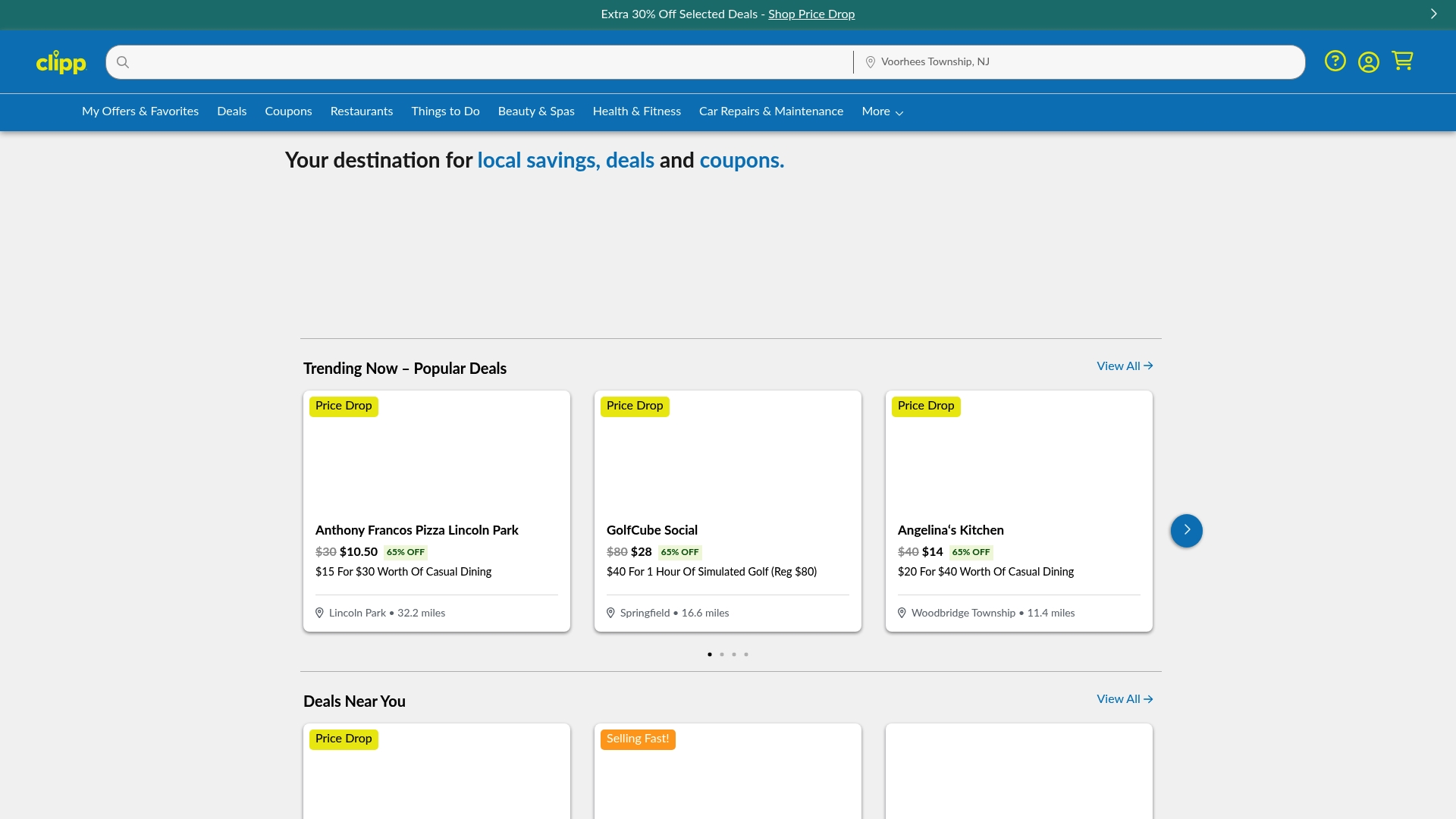
Clipp makes it easy to browse curated last-minute offers for local dining, entertainment, wellness, and more, all organized by your location and preferences. You can search local deal listings to compare offers in seconds, or go straight to local service deals if you're looking for salons, gyms, or home services near you. Clipp's platform is built for people who want to save now, not later. Browse, pick, and redeem, all without waiting for the perfect planned moment.
Frequently asked questions
What is a last-minute coupon in simple terms?
It's a time-limited discount you can use immediately for local dining, activities, or services. Platforms like Groupon and Restaurant.com specialize in these instant savings offers.
How do I redeem a last-minute coupon?
Purchase discounted vouchers online, meet any listed minimum spend, and show your code at the business on your phone or as a printout.
Do last-minute coupons really save that much money?
Yes. Consumers save 50 to 80 percent or more with last-minute offers compared to regular prices, though restrictions like minimum spend can apply.
What restrictions should I check before buying?
Always look for minimum spend requirements, blackout dates, and per-visit limits. Minimum spend is often 1.5x the certificate value, so plan your order accordingly.
Which platforms offer last-minute coupons for local deals?
Popular options include Groupon, Restaurant.com for local offers, and specialized local platforms like Clipp, each with their own categories and strengths.