

TL;DR:
- Community-specific deals are tailored to local groups and geographic areas, providing stronger relevance and exclusivity. They enhance local economies by increasing trust, loyalty, and targeted savings, benefiting neighborhoods beyond mere price reductions. Using platforms like Clipp helps consumers easily find and maximize authentic neighborhood offers for better savings and community engagement.
Most people treat a discount as a discount. Thirty percent off is thirty percent off, right? Not quite. Understanding why use community-specific deals differently than generic coupons can change how much you actually save, and how good you feel doing it. Local consumers who tap into community-focused promotions consistently get better value, deeper loyalty perks, and a stronger connection to the places they spend their money every day.
Table of Contents
- Key takeaways
- Why use community-specific deals over generic discounts
- Real benefits of localized discounts for local consumers
- How community deals strengthen local economies
- How to find and use community offers effectively
- My take on why this matters right now
- Start saving with Clipp today
- FAQ
Key takeaways
| Point | Details |
|---|---|
| Exclusive beats generic | 41% of consumers rank VIP-only deals as their top loyalty driver, far above generic discounts. |
| Local deals build community wealth | Spending with local businesses keeps money circulating in your neighborhood and funds local projects. |
| Community trust drives purchases | 49% of consumers base buying decisions on community recommendations, not ads. |
| Targeted deals protect your budget | Specific, well-timed offers beat blanket discounts by addressing what you actually need. |
| Platforms make it easy | Tools like Clipp let you find and redeem neighborhood deals without the legwork. |
Why use community-specific deals over generic discounts
Generic discounts are everywhere. Flash sales, sitewide percentage-off codes, mass email blasts. You have seen all of them. But here is the problem: those offers are designed for everyone, which means they are really designed for no one in particular.
Community-specific deals work differently. They are built around a defined group, whether that is residents of a particular zip code, members of a local gym, neighbors in a suburb, or regulars at a specific restaurant. The offer is shaped by what that group actually wants and when they typically need it.
Consider the difference in practice:
- A national chain sends a 10% off coupon to its entire email list of two million people.
- A local Italian restaurant sends a "Sunday Family Night" deal exclusively to residents within five miles, offering 25% off a meal for four between 5 and 8 PM.
The second offer costs the restaurant less in margin loss because it targets people who are already nearby and likely to convert. For you, the consumer, it feels like something that was made with you in mind. That perception matters more than most businesses realize.
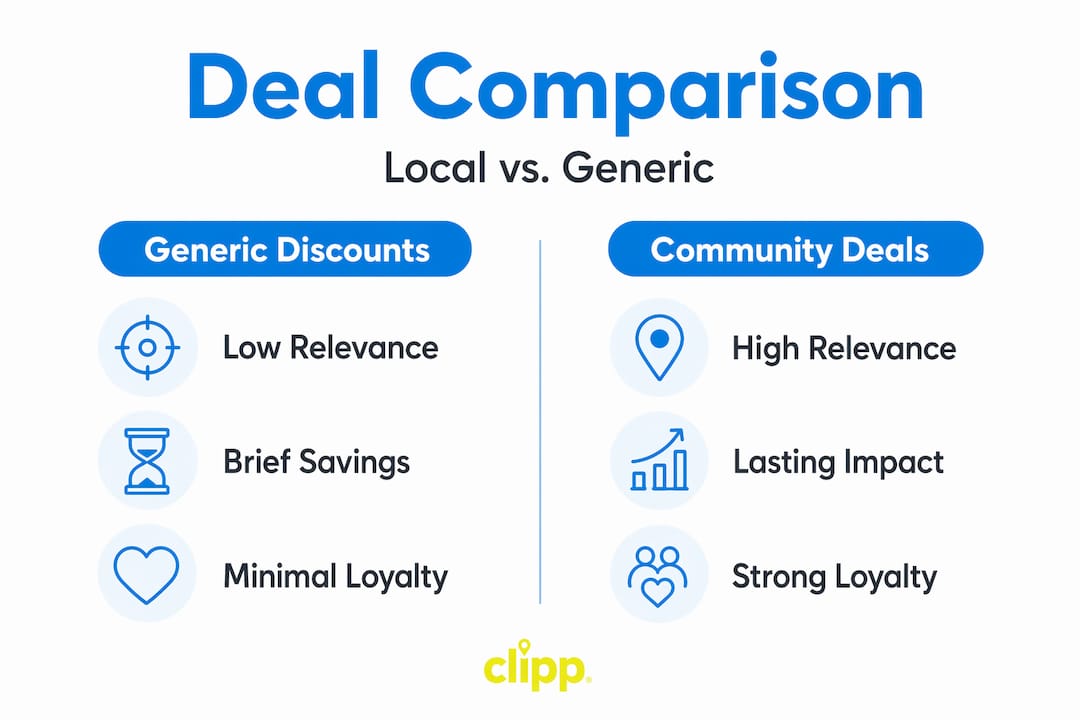
Here is a direct comparison of how these two approaches stack up:
| Factor | Generic national discount | Community-specific deal |
|---|---|---|
| Relevance to your location | Low | High |
| Sense of exclusivity | None | Strong |
| Impact on local economy | Minimal | Direct and measurable |
| Likelihood of repeated use | Low | High |
| Trust factor | Average | Above average |
Targeted community deals outperform blanket discounts precisely because they address specific needs and behaviors, which protects both your savings and the business's margins.
Real benefits of localized discounts for local consumers
When people think about the advantages of community deals, they usually start and stop at price. That framing undersells the full picture.
Here are the concrete benefits that come with community-focused promotions:
-
Higher perceived value. Exclusive deals are ranked as the top loyalty motivator by 40 to 61 percent of consumers. When an offer feels like it was made for you and not the general public, you trust it more and use it more.
-
Stronger connection to local businesses. When you redeem a deal at a neighborhood salon or family-owned restaurant, you are building a relationship, not just a transaction. 68% of customers feel more loyal to brands after joining their community, and that loyalty compounds over time.
-
Access to event-tied and seasonal offers. Local deals often align with events that only your community cares about, like a neighborhood festival discount, a school-year back-to-school deal at a nearby supply shop, or a post-game offer from a restaurant near the local stadium. You will never see these in a national circular.
-
Collective buying power. Some of the most compelling examples of community-specific savings happen at scale. Over 150 Northeast communities use Community Choice Aggregation to negotiate better energy rates and fund local infrastructure, proving that when a community shops or purchases together, everyone pays less and benefits more.
-
Better fit for your actual lifestyle. A deal on lawn care services in a neighborhood full of homeowners is worth ten times more than a discount on shipping from an online retailer you rarely use.
Pro Tip: Sign up for email lists from local businesses you already love. Localized emails are specifically designed to link digital messages to physical visits by stressing neighborhood relevance, which means those offers are more likely to bring real savings you will actually use.
How community deals strengthen local economies
The impact of neighborhood deals goes far beyond your wallet. Every time you redeem a deal at a local business instead of a national chain, a larger share of that money stays in your community. Local businesses re-spend revenue locally, whether on suppliers, staff, rent, or services, creating a cycle that strengthens the entire neighborhood.
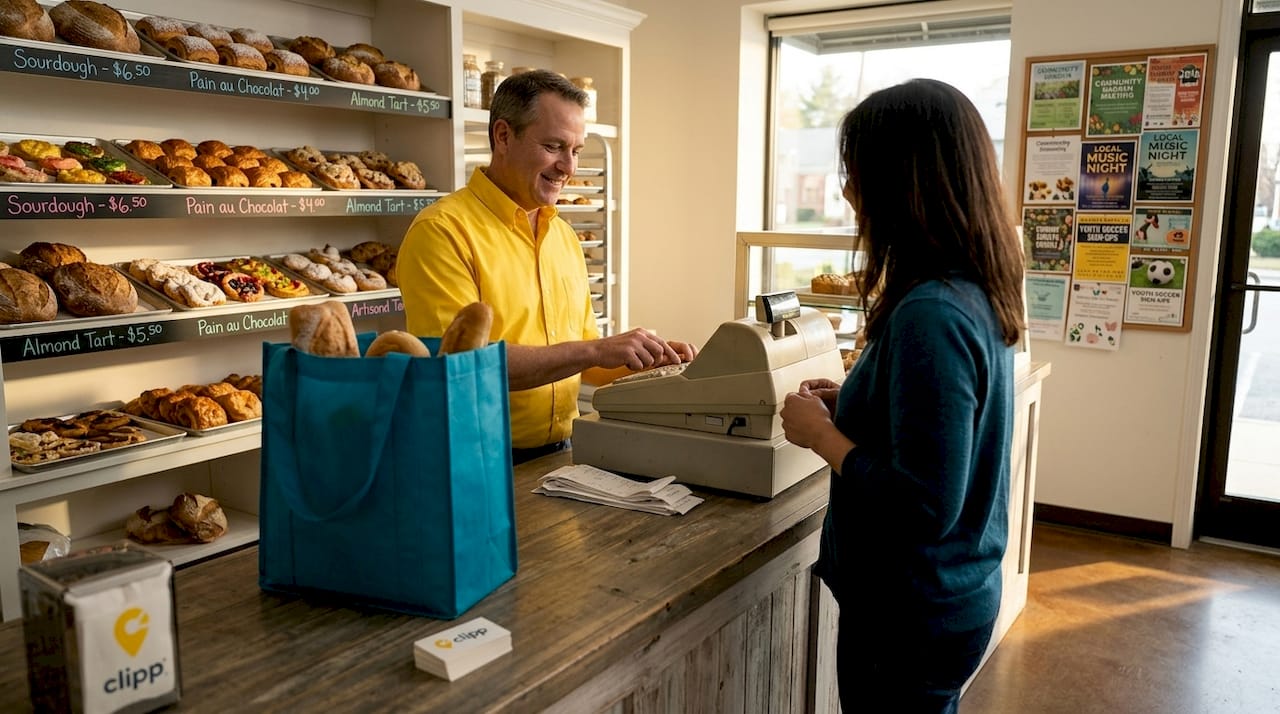
There is also a trust dimension that national brands simply cannot replicate. Community-based marketing works by sparking conversations rather than talking at consumers. When your neighbor tells you about a deal at the corner coffee shop, that recommendation carries more weight than any billboard. Word-of-mouth spreads community offers organically, giving local businesses a marketing channel that costs very little but builds real credibility.
Social media amplifies this effect significantly. A community-first social media strategy increases trust, local engagement, and organic sharing because it focuses on participation over promotion. When a local gym shares a member-only deal and ten members repost it, that reach is worth far more than a paid ad campaign.
The broader economic benefits are real too:
- Local deal programs can generate funding for neighborhood projects and sustainability initiatives.
- Small businesses that retain loyal local customers through exclusive offers are more likely to survive economic downturns.
- Community-focused businesses tend to hire locally, keeping employment opportunities close to home.
- The value of regional promotions extends to local tax revenue, which funds schools, parks, and infrastructure.
When you ask why choose local discounts, the honest answer is that you are not just saving money. You are voting for the kind of neighborhood you want to live in.
How to find and use community offers effectively
Knowing the value of community-specific discounts is one thing. Finding and using them well is another. Here is a practical approach that most deal-seekers skip entirely:
-
Start with dedicated local platforms. Apps and sites built specifically for neighborhood savings will surface deals you will never find by googling a coupon code. Clipp, for example, organizes offers by location so you can see what is available near you without wading through national noise. Learning how to find local deals on platforms like this takes less than ten minutes but pays off every week.
-
Vet deal authenticity before you commit. A legitimate community deal will have a clear expiration date, specific terms, and a business name you can verify. If the discount seems too steep with no restrictions, read the fine print closely.
-
Time your purchases around local events. Neighborhood festivals, back-to-school seasons, and local sports events all trigger targeted promotions from nearby businesses. Mark your calendar and check your local deal platforms a week before major events in your area.
-
Stack offers where the terms allow. Some local businesses allow you to combine a community deal with a loyalty point redemption or a birthday perk. Not all do, but it is always worth asking. Proven coupon strategies for local deals often include timing and stacking as their top recommendations.
-
Join neighborhood groups and local email lists. Hyperlocal Facebook groups, Nextdoor communities, and local business newsletters consistently surface deals that never make it to large aggregator sites. Local email marketing drives more in-store visits than generic mass marketing because the message is tied directly to your physical neighborhood.
Pro Tip: Set a weekly ten-minute calendar reminder to browse your local deal platform and community social groups. Most limited-time offers disappear quickly, and consistency is the single biggest factor separating deal-seekers who save 20% or more from those who save almost nothing.
My take on why this matters right now
I have spent years watching consumers scroll past genuinely great local deals to redeem a five-dollar code from a retailer they buy from twice a year. It is a pattern that makes no economic sense once you stop and look at it.
What I have found is that the reluctance comes from habit, not logic. Generic discounts feel safe because they are familiar. But when I started paying attention to community-specific offers in my own spending, the math shifted fast. A local restaurant deal saved me more in a single month than three months of generic promo codes combined.
What surprised me most was not the price difference. It was the relationship that came with it. The businesses offering those deals knew their customers. They were not guessing at what would work. That kind of attentiveness builds something a national chain cannot buy.
My honest opinion is that the value of regional promotions is still underestimated by most consumers, and that gap represents a real opportunity. The deals are there. The platforms to find them are better than they have ever been. The only thing standing between you and genuinely better savings is the decision to look closer to home before looking everywhere else.
— Mehmet
Start saving with Clipp today
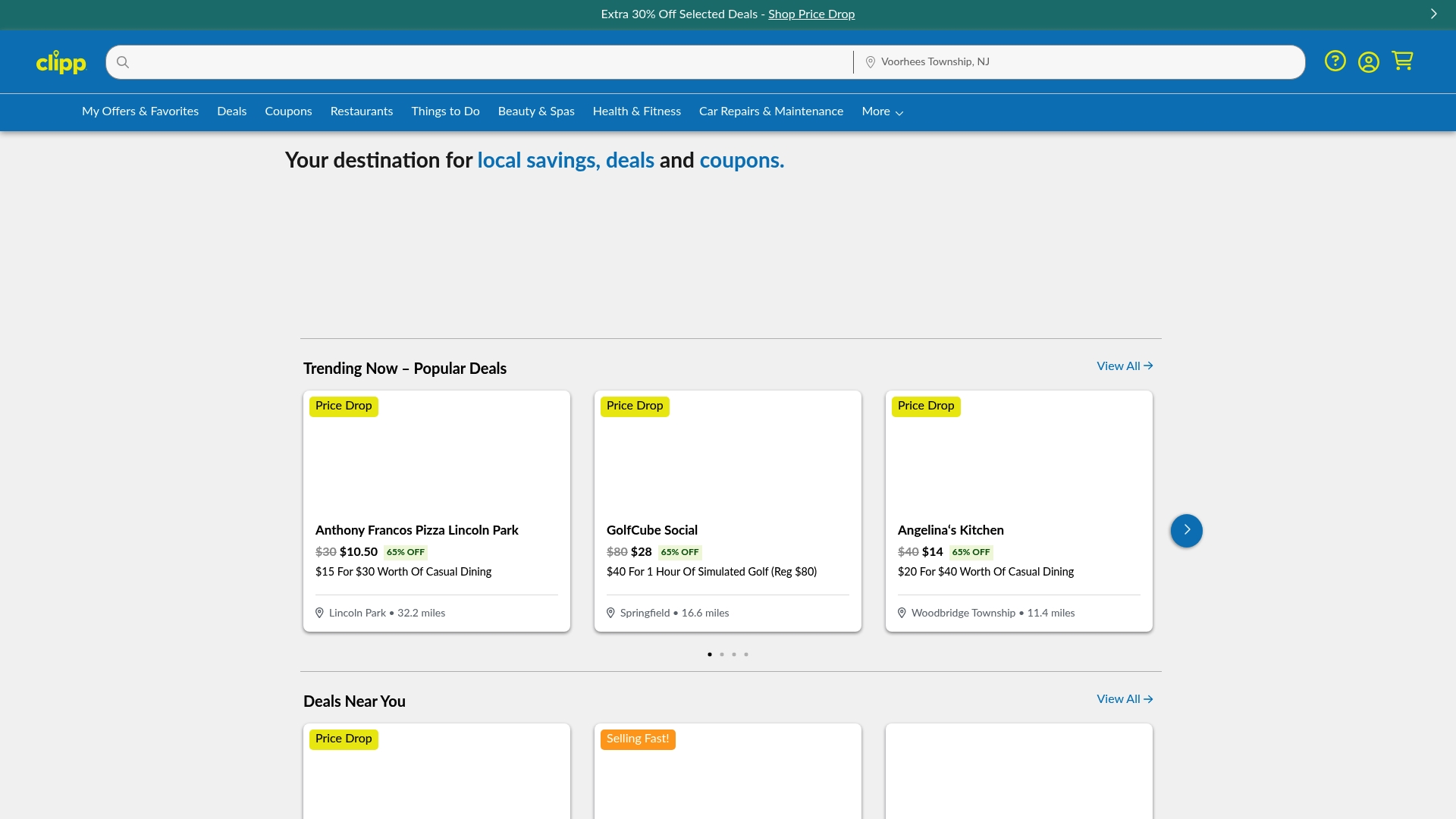
Clipp is built specifically to connect you with exclusive local deals across dining, wellness, home services, entertainment, and more, all organized by your location. You do not have to hunt through national sites or hope a generic code still works at checkout. The deals on Clipp are curated for real neighborhoods, which means the local deals near you are relevant, verified, and worth your time. Whether you are looking for restaurant savings, salon discounts, or a deal on your next home project, Clipp puts community-specific offers in one place. Browse the full selection of local coupons on Clipp and start saving on the things you actually buy, right where you live.
FAQ
What makes community-specific deals different from regular coupons?
Community-specific deals are tied to a defined local group or geographic area, making them more relevant and exclusive than generic coupons. Their targeted nature means the offer matches what nearby consumers actually want, which increases both savings and satisfaction.
Why do community-specific deals offer better value?
41% of consumers rank exclusive, targeted offers as their top loyalty motivator, far above generic discounts. The combination of exclusivity, local relevance, and stronger business relationships makes the perceived and real value higher.
How do I find community-specific deals in my area?
Start with local deal platforms like Clipp, which organizes offers by location, and supplement with neighborhood social media groups and local business email lists. Localized email marketing is particularly effective at surfacing deals tied to your physical neighborhood.
Do community deals actually help the local economy?
Yes. When you spend using a local business deal instead of a national chain, more money circulates within your community. Programs built on collective buying power have helped over 150 communities reduce costs and fund local infrastructure projects directly.
Are community deals safe and trustworthy?
Reputable community deals from verified platforms carry clear terms, expiration dates, and named businesses. Platforms like Clipp vet their merchant partners, which reduces the risk of misleading offers that sometimes appear on unmoderated coupon sites.