

TL;DR:
- Local restaurants strategically offer discounts like happy hours, loyalty rewards, and seasonal promotions to fill slow periods and attract new customers without harming margins.
- These targeted deals help manage rising costs, build community goodwill, and introduce new menu items, supporting their long-term viability.
You've spotted a "20% off" sign at your favorite neighborhood spot and wondered what's actually going on behind it. Why are local restaurants discounted so often, and what does it really mean when a place slashes its prices? The answer involves far more than desperation or leftover food. Restaurant discounts are calculated business moves shaped by labor costs, customer behavior, slow periods, and competition. Understanding the logic behind them helps you dine smarter, save more, and support the local spots you actually care about.
Table of Contents
- Key takeaways
- Why are local restaurants discounted: the business logic
- Types of discounts you'll find at neighborhood restaurants
- The risks that come with discounting
- How to find restaurant discounts and use them well
- My honest take on restaurant discounts
- Find local restaurant deals that work for everyone
- FAQ
Key takeaways
| Point | Details |
|---|---|
| Discounts are strategic, not random | Restaurants use targeted promotions to fill slow periods and attract new customers without permanently cutting prices. |
| Group discounts serve real business goals | Military, student, and senior deals build goodwill and drive traffic from loyal community segments. |
| Heavy discounting carries real risk | Discount cycles erode margins and create customers who resist paying full price. |
| Aggregators can hurt local spots | Commission fees upward of 25% mean deals through big platforms often cost restaurants more than they gain. |
| Smart consumers shop direct | Using restaurant apps, loyalty programs, and platforms like Clipp delivers savings without squeezing local businesses. |
Why are local restaurants discounted: the business logic
Most people assume a discounted restaurant is either struggling or has surplus inventory to move. Sometimes that's true. But the more common explanation is that local restaurants use discounts as a deliberate tool to manage the financial realities of running a food business in 2026.
Labor, ingredients, and overhead have all risen significantly over the past several years. A neighborhood restaurant can't always absorb those increases by raising menu prices, because diners are sensitive to sticker shock. Discounting specific items or offering limited promotions lets a restaurant stay competitive without triggering the perception that their prices have gone up across the board.
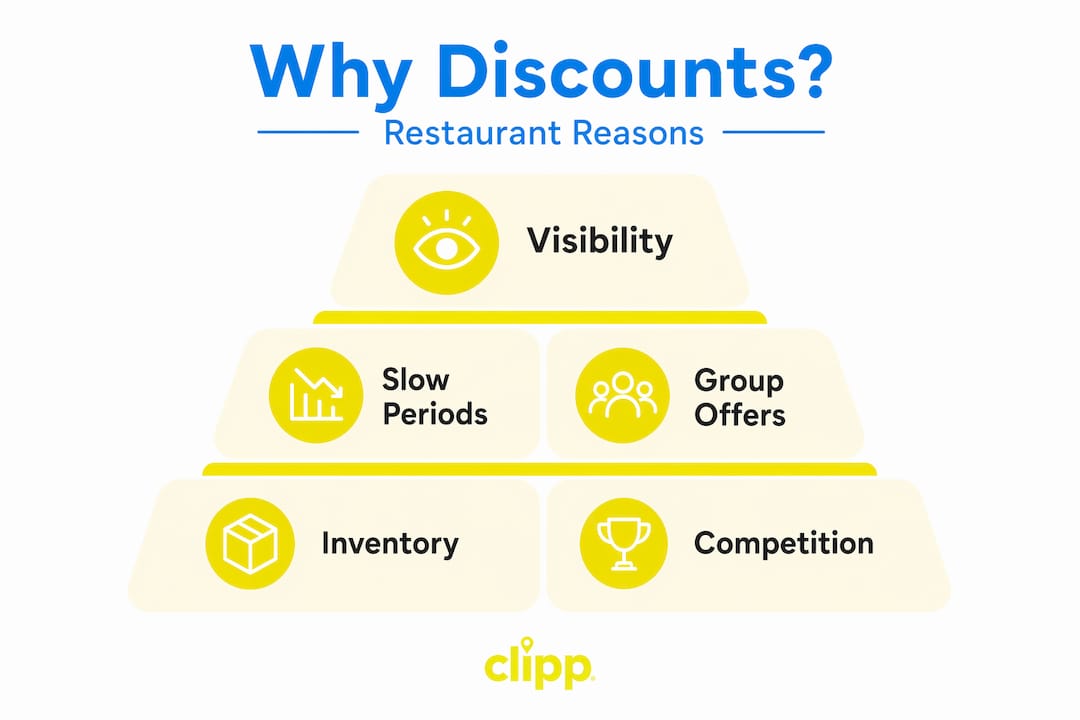
There's also a visibility angle. A well-timed promotion puts a restaurant's name in front of people who have never visited. For a spot without a national marketing budget, a local dining promotion acts as the advertising it can't otherwise afford. Getting new customers through the door, even at a lower margin, starts the relationship that turns into repeat business at full price.
Here's what often gets overlooked: 67% of consumer value perception comes from non-price factors like atmosphere, service quality, and brand reputation. Discounts work best when they get customers in the door to experience those things. A great meal at 20% off often translates to a full-price return visit.
Key operational reasons restaurants offer discounts:
- Filling dead hours. Weekday lunch slots and early weeknight dinners are chronically slow. Happy hour deals and prix-fixe lunch menus convert empty seats into revenue.
- Introducing new menu items. A discount on an untested dish reduces the risk for the customer and generates feedback for the kitchen.
- Competing locally. When a new restaurant opens nearby, established spots may use promotions to remind regulars why they love their neighborhood favorite.
- Managing perishable inventory. Daily specials built around ingredients near their peak freshness reduce waste while giving customers a reason to visit.
Pro Tip: If you see a restaurant running a deal on a brand-new menu section, order from it. You're getting a discounted price on something the chef actually wants you to try, and your feedback genuinely helps them refine it.
Types of discounts you'll find at neighborhood restaurants
Not all local restaurant deals work the same way. Understanding the categories helps you spot opportunities and recognize what the restaurant is actually trying to accomplish.
Group-targeted discounts
Military discounts are among the most consistent promotions in the restaurant industry. Military discounts typically range from 10% to 25% year-round, with some chains offering up to 50% off on Veterans Day. These aren't charity. They generate goodwill, attract a reliable customer segment, and create positive word-of-mouth in communities with strong military ties.
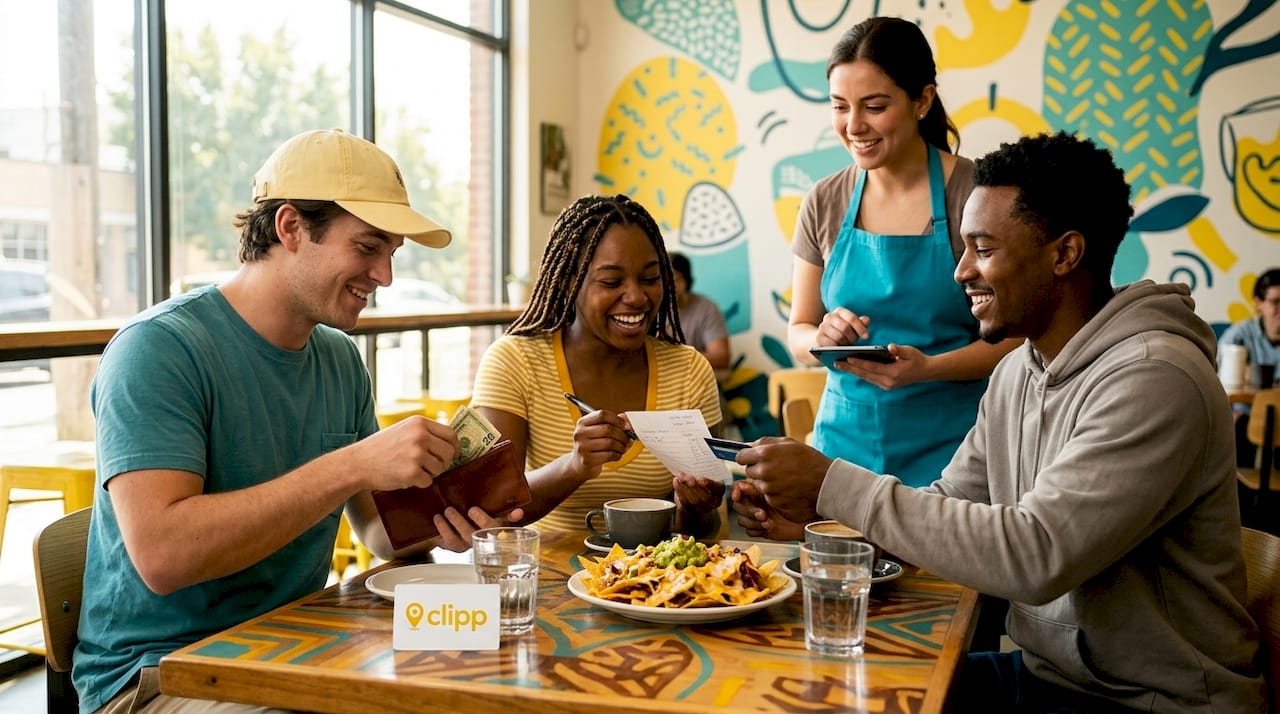
Student and senior discounts follow the same logic. These groups often dine during off-peak hours, which means the discount fills seats that would otherwise stay empty while building loyalty with customers who will keep coming back for years.
Event-driven and seasonal promotions
Cities across the country run organized dining programs that benefit both consumers and local businesses. Programs like NYC's $26 dining deals tied to major events such as the World Cup show how restaurants use cultural moments to drive foot traffic at scale. These promotions are coordinated and time-limited, which creates genuine urgency without permanently marking down the menu.
| Discount type | Typical savings | Primary purpose |
|---|---|---|
| Military and veteran | 10% to 50% | Community goodwill, off-peak traffic |
| Student | 10% to 20% | Weekday volume, brand loyalty |
| Senior | 10% to 15% | Off-peak seat fill, repeat visits |
| Happy hour | 20% to 40% | Slow period revenue, bar sales |
| Seasonal or event-based | Varies widely | New customer acquisition, buzz |
| Loyalty program rewards | 5% to 20% | Retention, data collection |
Slow-period promotions
Tuesday is not Friday. Restaurants know exactly which days and hours see the least traffic, and slow-period discounts are how they smooth out those valleys. A two-for-one pasta night on Mondays doesn't hurt the restaurant's Friday dinner revenue. It creates a reason to visit on a night that would otherwise produce almost nothing.
The risks that come with discounting
Discounting is a tool, and like any tool, it causes damage when misused. There's a real cost to running promotions that goes beyond the reduced ticket price, and many restaurants learn this the hard way.
The most cited risk is margin erosion. Aggressive discount cycles shrink margins and require more promotions to sustain the same traffic levels. A restaurant that starts with a seasonal deal can find itself running promotions year-round just to maintain what used to be normal volume. At that point, the discount has become the expectation, not the incentive.
"A crowded restaurant isn't necessarily a profitable one. If your average check falls below your combined labor and overhead costs, you're essentially paying customers to eat at your expense." This is the uncomfortable math that many restaurant owners face when discount traffic floods in but profitability doesn't follow.
Broad, permanent discounts often signal a struggling restaurant, while targeted, time-limited deals allow testing and seat-filling without the brand damage. The distinction matters for consumers too. A restaurant offering 40% off everything, all the time, may be in financial trouble. A restaurant running a smart Tuesday special is managing its schedule.
There's also the customer behavior problem. Diners who only visit during promotions train themselves to never pay full price. They delay visits and wait for the next deal. That behavior is manageable at low volumes but becomes a serious issue when a significant portion of a restaurant's regulars fall into this pattern.
Pro Tip: If a local spot you love runs a promotion, visit during it, but also make a point to return at full price within the next few weeks. That simple habit directly supports the restaurant's ability to keep running.
How to find restaurant discounts and use them well
Knowing why local restaurants offer discounts is one thing. Knowing how to find them responsibly is where the real value sits. Here's a practical approach:
- Check the restaurant's own app or website first. Many restaurants run their best promotions directly, cutting out the middleman. These deals don't carry the commission fees that third-party platforms charge, which means the restaurant keeps more of the revenue.
- Join loyalty programs for your regulars. Programs tied directly to a restaurant give you points, birthday rewards, and early access to specials. You save money and the restaurant builds a direct relationship with you as a customer.
- Use local savings platforms that work with restaurants on fair terms. Aggregator commissions can exceed 25%, which puts restaurants in the position of operating at or below cost just to participate. Platforms that prioritize local merchant health over volume change that equation.
- Time your visits around limited-time offers, not permanent markdown menus. Limited-time features create urgency without devaluing the full menu. These are the deals worth jumping on.
- Follow your favorite restaurants on social media. Flash deals, pop-up events, and soft-launch specials are often announced exclusively through Instagram or email lists before they hit any aggregator platform.
- Look for community dining events. Many cities and neighborhoods run organized programs connecting diners with local spots. These events are designed with local economic health in mind, meaning the savings you get don't come at the expense of the restaurant's viability.
Learning how to get restaurant coupons through the right channels consistently beats chasing deals on platforms that charge restaurants a steep cut for the exposure.
My honest take on restaurant discounts
I've spent years watching how local restaurants use promotions, and the biggest misconception I keep seeing is that a discount means a bargain in any simple sense. It doesn't always.
When I see a restaurant running 50% off its entire menu with no time limit, my first thought isn't "great deal." It's "what's wrong?" Sustainable restaurants use discounts to build loyalty, not to survive week to week. The difference is visible once you know what to look for.
What I've found is that the best deals come from restaurants that are healthy enough to offer them strategically. A well-run spot running a Tuesday special or a seasonal prix-fixe menu is signaling confidence, not desperation. When I take those deals, I feel good about where my money is going. I know the restaurant chose to offer that price intentionally, and I'm part of a customer relationship they're actively building.
The harder truth is that many diners, myself included at earlier points, have treated discount hunting as purely transactional. But local restaurants are part of what makes a neighborhood worth living in. When we only show up for deals, we chip away at their margins and eventually lose the places we actually love. The most satisfying dining experiences I've had were at spots where I became a regular at full price, and the occasional deal felt like a genuine gift rather than the baseline expectation.
— Mehmet
Find local restaurant deals that work for everyone
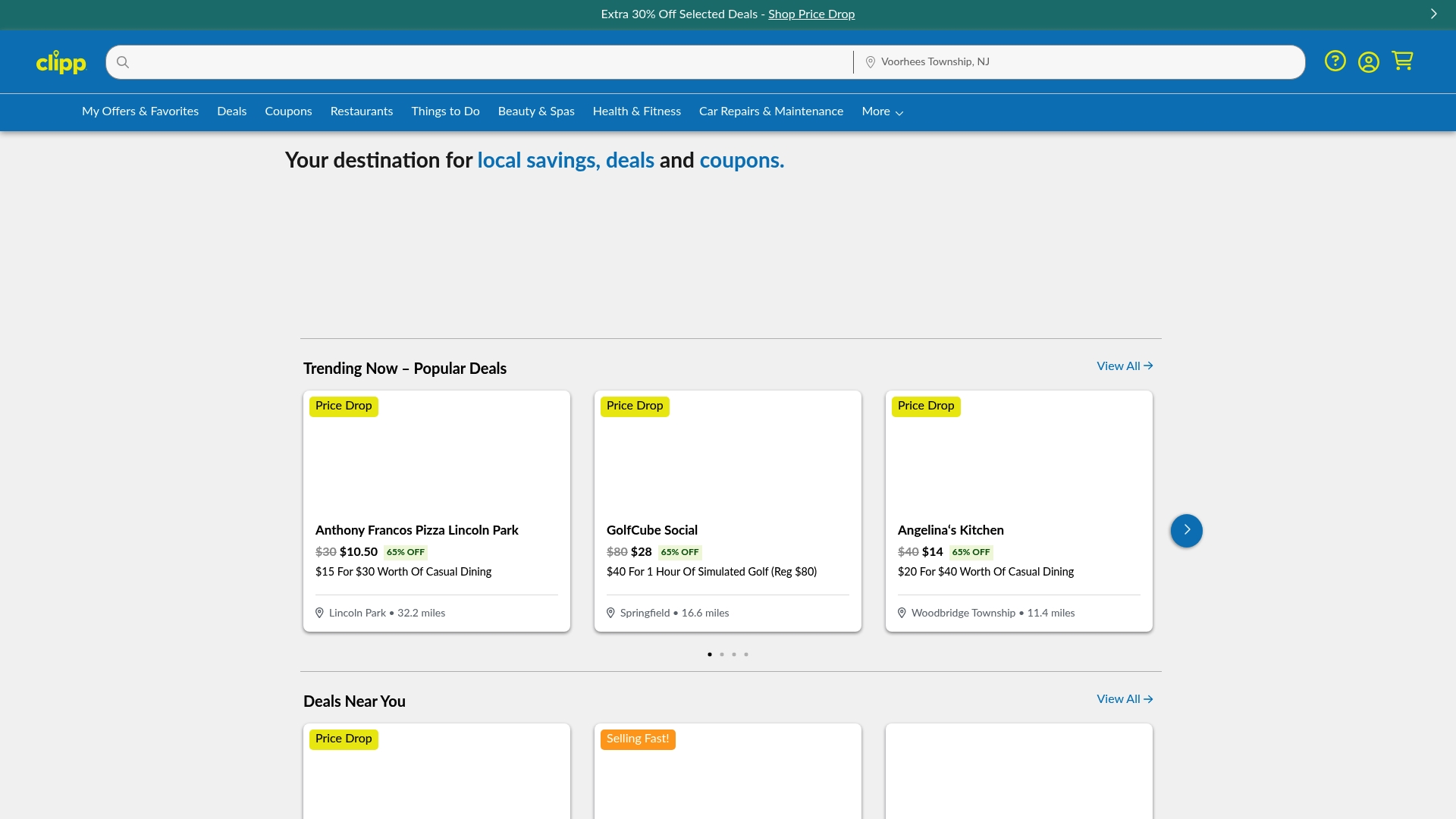
Clipp connects you with verified local restaurant promotions, including dining deals with up to 50% off at neighborhood spots near you. Unlike platforms that pile on commissions and pressure restaurants to discount beyond what's sustainable, Clipp is built around fair local savings that benefit both diners and the businesses they love. You can browse deals near you by category, from restaurant specials to entertainment and wellness, all curated for your area. Whether you're looking for a weeknight dinner deal or a special occasion discount, Clipp surfaces the promotions worth using. Sign up and start saving on the local dining you already enjoy.
FAQ
Why do local restaurants offer discounts at all?
Local restaurants use discounts to attract new customers, fill slow periods, and stay competitive without raising menu prices. These promotions are strategic decisions tied to operational realities, not signs of low quality.
Are restaurant discounts bad for the business offering them?
Not when used correctly. Targeted, time-limited promotions can fill seats and build loyalty without hurting margins. Broad permanent discounts, however, can erode profitability and train customers to avoid paying full price.
What types of discounts are most common at neighborhood restaurants?
The most common local dining promotions include military and veteran discounts, happy hour specials, loyalty rewards, student deals, and seasonal or event-driven promotions. Each serves a specific traffic and revenue goal.
How can I find restaurant discounts without hurting local businesses?
Use restaurant loyalty programs, direct apps, and local savings platforms that charge fair commission rates. Avoiding high-fee aggregators means more of your spending actually reaches the restaurant. Platforms like Clipp are designed with this balance in mind.
Do popular restaurants ever offer discounts?
Yes. Even high-traffic local restaurants run promotions tied to events, new menu launches, or community programs. Artificial scarcity and exclusivity in short-term deals are often more effective than blanket discounts, and successful restaurants use exactly that approach.