

A recreational deal is a limited-time, discounted offer on a local leisure service or experience — think bowling, fitness classes, guided tours, or equipment rentals — structured to lower the price or improve terms so more people show up. These are consumer-facing promotions on activities you do for fun, not regulated retail categories like cannabis (which also uses the word "recreational" in a completely different context). Three elements define every legitimate offer:
- A discount or enhanced terms — percentage off, bundled value, or a free add-on
- A time or quantity limit — flash sale, weekday-only window, or capped redemptions
- A merchant-provided service or reservation requirement — you book a slot, show a code, or confirm attendance
Platforms like Clipp aggregate these offers from verified local merchants, making it faster to find deals that meet basic consumer-protection standards: clear inclusions, stated expiration dates, and transparent total pricing.
Table of Contents
- How are recreational deals structured?
- Why do local businesses run these promotions?
- How do you know if a recreational deal is actually worth it?
- What activities typically come with recreational deals?
- What happens after you buy a deal?
- Why recreational deals are good for your budget and your wellbeing
- Key Takeaways
- The discount isn't the deal
- Clipp makes finding local leisure deals faster
How are recreational deals structured?
Leisure promotions come in a handful of recognizable shapes. Knowing the format tells you immediately what to expect at checkout and at the door.
- Single-use coupon — a code or printed voucher redeemed once; common for a first yoga class or a one-time museum entry. No reservation usually required, but expiration dates are strict.
- Percentage-off promotion — discounted prices off the listed price; works for bowling lanes, mini-golf, or arcade credits. Often requires a promo code at checkout.
- Bundled pass — a family or multi-visit pack (e.g., four fitness classes for the price of two, or a family museum pass). Typically the best per-visit value, but blackout dates on weekends are common.
- Time-limited flash sale — 24–72 hours to buy; price drops sharply. These off-peak promotions fill gaps in demand without touching prime-time pricing; see more on flexibility in de horeca.
- Weekday or off-peak special — permanently lower pricing Tuesday through Thursday, or during shoulder seasons. No code needed; just show up during the window.
- Season or multi-month pass — upfront commitment for ongoing access; gyms and climbing walls use these to lock in revenue while giving members a per-visit discount.
| Format | Typical discount | Reservation needed? | Common restriction |
|---|---|---|---|
| Single-use coupon | discounted off the listed price | Rarely | Hard expiration date |
| Percentage-off promo | discounted off the listed price | Sometimes | Excludes peak hours |
| Bundled pass | discounted per visit | Usually | Weekday or capacity limits |
| Flash sale | discounted off the listed price | Often | Non-refundable after purchase |
| Weekday special | discounted off the listed price | No | Weekday window only |
Why do local businesses run these promotions?
A bowling alley has multiple lanes. On a typical Tuesday afternoon, many of them sit empty. Running a mid-week deal at half price still generates revenue those lanes would never see otherwise, and it costs the business nothing extra in fixed overhead. That's the core logic behind idle-capacity pricing: sell marginal spots at a discount rather than leave them dark.
Beyond filling seats, merchants use deals for three other reasons:
- Customer acquisition — trial pricing gets first-timers through the door who might never have paid full price
- Upselling — a discounted entry often leads to full-price food, gear rentals, or add-on experiences once the customer is on-site
- Calendar management — shoulder seasons (late January, early September) and non-holiday weekdays are natural promotion windows
Pro Tip: Search for "mid-week" or "weekday" alongside your activity (e.g., "weekday kayak rental") to catch the deals merchants push hardest. Those promotions tend to have the fewest restrictions and the deepest discounts because the merchant genuinely needs to fill that time.
How do you know if a recreational deal is actually worth it?
The headline percentage is the least useful number on the page. A clear "what's included" statement and the total price after fees tell you far more about real value than "50% off" ever will. Before you buy, run through this checklist:
- What's included — is it a full session or a 30-minute intro? All equipment or just entry?
- Blackout dates and peak exclusions — weekends, holidays, and school breaks are frequently carved out
- Reservation rules — do you need to book in advance, and how far ahead?
- Total price with fees and taxes — some platforms add service fees that erode the discount
- Refund and cancellation policy — non-refundable is standard for flash sales; bundled passes vary
- Expiration and transferability — a 90-day window is common; many passes are non-transferable
- Merchant identity and verification — look for reviews, a physical address, and a listed phone number
Deeper discounts almost always come with stricter blackout dates or non-refundable terms. That trade-off is normal. What's not acceptable is a deal that buries those restrictions in fine print.
Trust signal to look for: Any legitimate offer states its expiration date, lists what is and isn't included, and names the merchant clearly. If any of those three are missing, skip it.
Pro Tip: Use Clipp's merchant listings alongside Google reviews and local tourism board directories to cross-check a provider before purchasing. A business with no reviews and no physical address is a red flag regardless of how good the discount looks.
What activities typically come with recreational deals?
Leisure activities cover a wide range, and most of the common ones have an established deal ecosystem around them. Here's what you'll typically find and how those offers are usually structured:
- Bowling — mid-week specials and shoe-rental bundles; often non-refundable, weekday-only
- Fitness and yoga classes — intro packs (multiple classes) at a steep discount; expire within a limited time
- Guided tours — percentage-off or group bundles; usually require advance booking and have weather-cancellation policies
- Equipment rentals (kayaks, bikes, paddleboards) — hourly or half-day discounts; typically non-refundable once the rental window starts
- Museums and cultural attractions — family passes with weekday-only pricing; often the best value for groups
- Mini-golf and arcades — bundled credits or combo passes; few restrictions, easy to redeem
- Theme parks and family entertainment centers — season passes or multi-visit bundles; blackout dates on peak weekends are standard
For family-oriented bundled offers, the pattern is consistent: the per-person cost drops significantly, but weekend and holiday availability is restricted. Clipp, local tourism office websites, and merchant pages directly are the three most reliable places to find these offers without wading through unrelated search results.
What happens after you buy a deal?
Buying is the easy part. Redeeming without surprises takes a little more attention.
- Save your confirmation — screenshot or email; some venues require a printed voucher
- Book your reservation early — capacity-based deals sell out; popular time slots go first
- Confirm the cancellation policy before you lock in a date, especially for non-refundable purchases
- Verify the total cost at checkout — look for added service fees or required add-ons
- Check ID or age requirements at the door if the activity has age restrictions
Common restrictions to expect regardless of format:
- Blackout dates covering weekends, holidays, and local events
- Limited time windows (e.g., valid only 10 AM–4 PM)
- Non-transferable terms (the name on the voucher must match the attendee)
- Capacity limits that make early booking non-optional
- Per-visit versus multi-visit validity (a "3-visit pass" may require all visits within 60 days)
Why recreational deals are good for your budget and your wellbeing
Recreation supports wellbeing in concrete ways: it helps people recharge, reduce stress, and maintain social connections. The barrier for most people isn't interest, it's cost. A discounted fitness class pack or a half-price museum pass removes that barrier and makes regular leisure participation realistic on a normal household budget.
The wellbeing case for regular leisure is straightforward:
- Stress reduction through physical activity and play
- Social connection from group classes, tours, and shared experiences
- Mental recovery from routine through novel, enjoyable activities
From a budgeting angle, deals let you try a new activity without committing to a full-price membership. An affordable intro yoga pack is a low-risk way to find out if you'll actually attend regularly before committing to a monthly contract. That's a smarter use of discretionary spending than either skipping the activity or overpaying upfront.
Key Takeaways
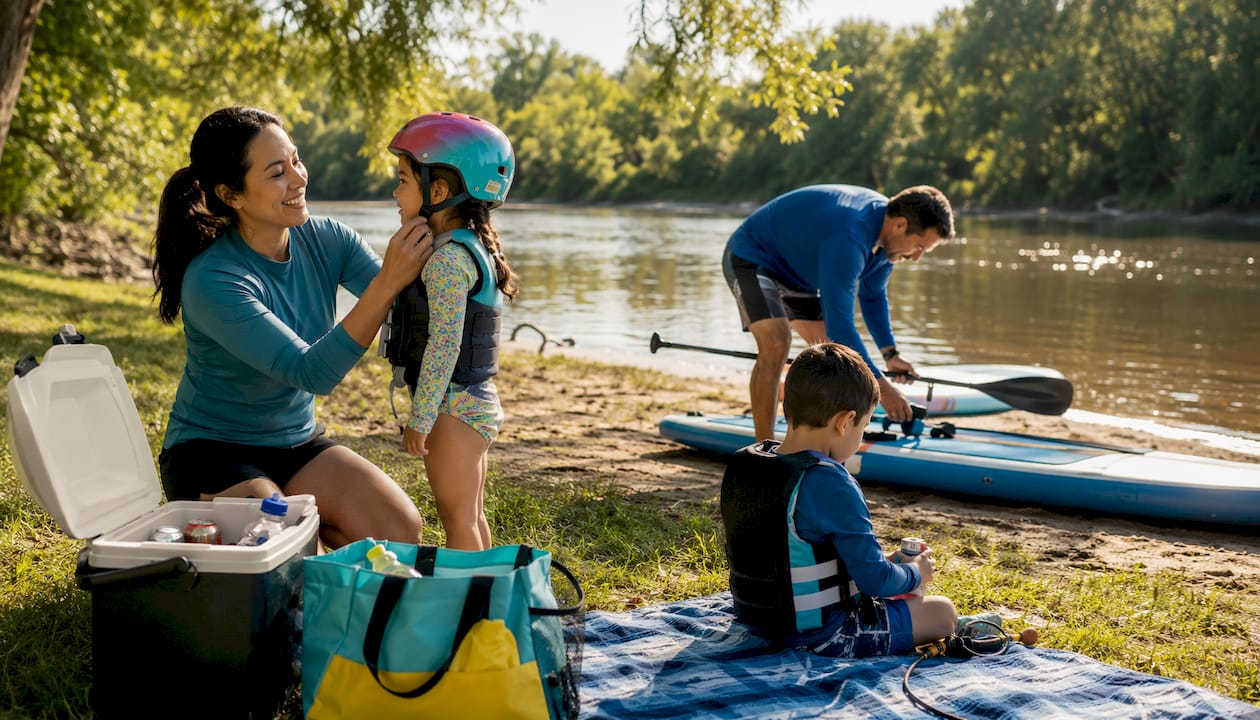
A recreational deal is a discounted, time-limited offer on a local leisure service that lowers cost, fills merchant capacity, and increases access to activities that support wellbeing.
| Point | Details |
|---|---|
| Search activity-specific terms | Use "bowling deals" or "museum discounts" instead of "recreational" to avoid cannabis results. |
| Check inclusions before buying | A clear "what's included" statement and total price matter more than the headline percentage. |
| Watch for blackout dates | Deeper discounts almost always carry weekend and holiday exclusions — verify before purchase. |
| Book early after buying | Capacity-based deals sell out fast; secure your reservation immediately after purchase. |
| Use Clipp for local offers | Clipp aggregates verified local deals with filters like "Near You" and "Trending Deals" for faster discovery. |
The discount isn't the deal
Most people scan for the biggest percentage and stop there. That's the wrong move. The real value of any leisure offer sits in three places: what's actually included, when you can use it, and whether the merchant is legitimate. A 50%-off coupon for a kayak rental that excludes every weekend from May through September isn't much of a deal for anyone with a regular work schedule.
What I find genuinely useful about platforms that curate local offers is the friction they remove from the verification step. When a merchant is listed with reviews, a physical address, and explicit expiration language, you've already cleared the three biggest trust hurdles before you spend a dollar. The discount is almost secondary at that point.
The other thing worth saying: recreational deals are one of the few places where buying less upfront often serves you better. A single-class intro pack beats a 12-month membership if you're not sure you'll stick with it. Use the deal to test the activity, then commit at full price once you know it fits your life.
Clipp makes finding local leisure deals faster
Clipp connects you directly with verified local merchants offering discounts on the activities covered in this article: fitness classes, tours, rentals, family passes, and more. The platform's "Near You" and "Trending Deals" filters cut through the noise so you're not sorting through irrelevant results or unverified listings.
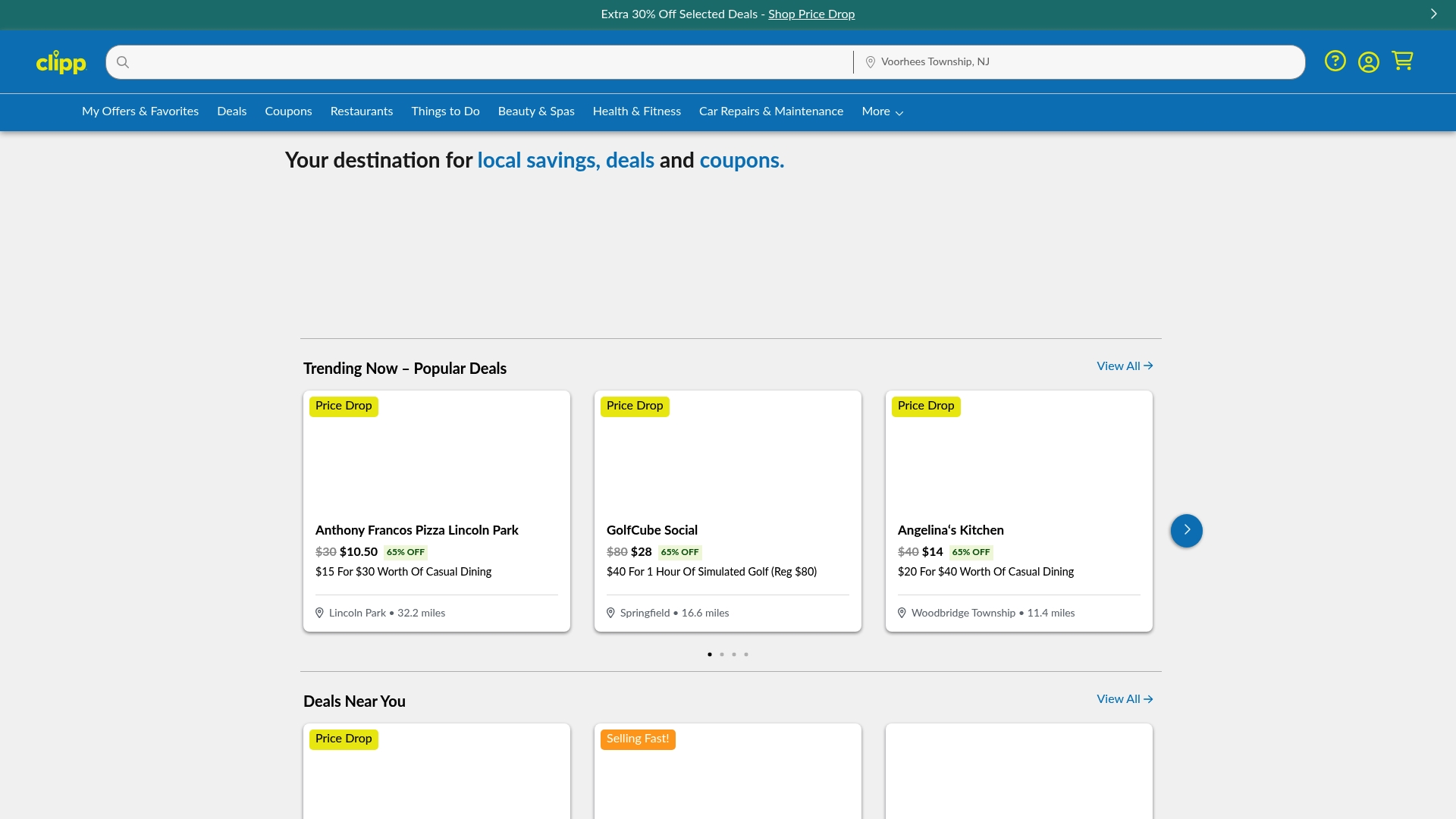
Every deal on Clipp includes clear inclusions, expiration dates, and merchant information — the exact trust signals that separate a real offer from a vague promotional headline. Browse local deals in Texas, check Virginia savings, or explore local service deals in your area. If you're in Florida, Louisiana, or Oregon, Clipp has state-specific pages with offers near you. Start with the "Trending Deals" section to see what's moving fast in your area right now.